Renewable Energy Future: Paving the Way for a Sustainable Tomorrow
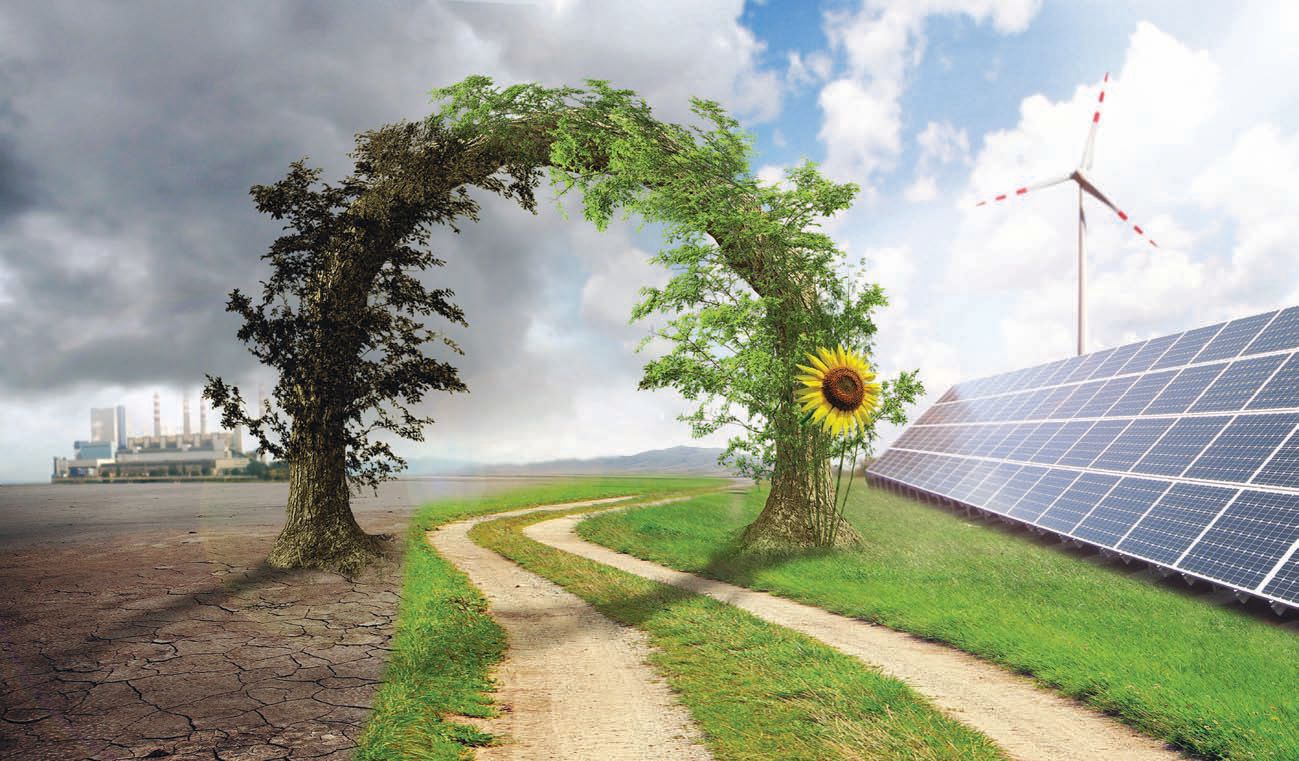
Renewable Energy Future: Paving the Way for a Sustainable Tomorrow
Estimated reading time: 7 minutes
Key Takeaways
- Renewable energy is crucial for combating climate change.
- Technological advancements are transforming the energy landscape.
- Community involvement accelerates the transition to sustainable energy.
- Economic benefits include job creation and investment opportunities.
- Numerous global initiatives aim to achieve renewable energy targets.
Table of contents
Understanding Renewable Energy
Before diving into the advancements and exciting prospects of renewable energy, let’s take a moment to grasp what renewable energy entails. Renewable energy comes from natural sources or processes that are constantly replenished. For instance, sunlight, wind, rain, tides, waves, and geothermal heat are all sustainable sources of energy. Unlike fossil fuels, whose depletion can lead to irreversible damage to our environment, renewable energy sources offer promising alternatives that can last indefinitely, reducing emissions and combating climate change.
According to the International Renewable Energy Agency (IRENA), the share of renewable energy in the global energy mix is expected to rise to 80% by 2050. This staggering figure is set amidst escalating global awareness on the importance of reducing carbon footprints and achieving sustainability.
Major Advancements in Renewable Energy
As we look towards a renewable energy future, significant advancements are being made in several sectors. Below, we highlight some of the most noteworthy developments that are not only transforming the energy landscape but also paving the way for future innovations.
1. Solar Power
Solar power is one of the fastest-growing renewable energies in the world today. As technology evolves, solar panels have become more efficient, affordable, and accessible. Innovations like bifacial solar panels and floating solar farms have emerged. Bifacial panels capture sunlight on both sides, while floating solar farms utilize unused water bodies, thus maximizing land use [source].
Additionally, according to a study by the Pew Research Center, as of 2021, 46% of Americans support the increased use of solar power, demonstrating a shift in public sentiment towards renewable energy.
2. Wind Energy
Wind energy is another frontrunner in the renewable sector. The construction of offshore wind farms has gained momentum, allowing countries to harness large amounts of energy from ocean winds. The Global Wind Energy Council (GWEC) reported that by 2020, global wind energy capacity reached 743 gigawatts, enough to power around 190 million households.
Countries like Denmark are leading the way, generating over 47% of their electricity from wind power. This trend is likely to accelerate as wind energy technology continues to improve, leading to higher energy outputs at lower costs.
3. Energy Storage Solutions
One of the biggest challenges associated with renewable energy is the variability of sources like solar and wind. The sun doesn’t always shine, and the wind doesn’t always blow. Here, energy storage solutions like batteries play a crucial role. Lithium-ion batteries have become the standard for storing energy, allowing us to store excess power generated during peak production times for later use.
Recent advances in solid-state battery technology promise higher energy densities and improved safety, heralding a new era for battery storage [source]. This means we can rely on renewable energy sources even when they are not actively being produced. This improvement in energy storage capability is pivotal for a sustainable renewable energy future.
Economic Impact
Transitioning to a renewable energy future is not just an environmental necessity; it also holds significant economic potential. The deployment of green technologies has resulted in the creation of millions of jobs worldwide. IRENA reports that the renewable energy sector employed over 11.5 million people globally by 2018, and that number is projected to grow.
This job creation ranges from manufacturing solar panels to the installation and maintenance of wind turbines. Furthermore, as the demand for skilled workers in these industries increases, investment in education and training programs will benefit the overall economy. For students seeking flexible income, exploring online earning websites for students without investment can create additional financial opportunities.
Global Initiatives and Agreements
Various global initiatives are also accelerating the transition to a renewable energy future. Governments around the globe are committing to achieve net-zero emissions by 2050, showcasing the urgency and importance of this transition. For instance, the European Union has set a goal to reduce greenhouse gas emissions by at least 55% by 2030 to combat climate change.
In addition, the Paris Agreement has brought countries together under a common goal to limit global warming to well below 2 degrees Celsius. Countries are set to reevaluate and enhance their climate commitments every five years, ensuring that progress is made towards a greener and more sustainable future.
The Role of Technology in Renewables
Technology is the backbone of the renewable energy future. From improved efficiency in photovoltaic cells to advanced materials that allow us to generate energy from various sources, innovation plays a significant role. Artificial Intelligence (AI) and Machine Learning (ML) are now being employed to enhance energy management. These technologies analyze and predict energy consumption patterns, ensuring a more efficient distribution and use of renewable resources [source].
Moreover, blockchain technology is making waves in the energy sector by providing transparent trading systems for renewable energy certificates, allowing households and businesses to trade excess energy generated from solar panels more efficiently. For those interested in starting their own online ventures to contribute to these innovations, there are comprehensive guides on how to create simple websites that make money.
Community Involvement and Local Energy Initiatives
A renewable energy future is not just shaped by large corporations and governments; community involvement is equally essential. Community solar projects allow neighborhoods to invest in solar power collectively, making renewable energy accessible even for those who cannot afford individual solar installations.
Local initiatives encourage small-scale wind farms and microgrids, which promote local energy independence. According to a report from the National Renewable Energy Laboratory, these initiatives can significantly reduce energy costs and promote a sense of ownership and responsibility among community members. Those looking for financial independence can explore platforms like websites that pay you instantly to contribute to their local initiatives.
Facing Challenges in the Transition
While the prospects for a renewable energy future appear bright, challenges remain. The initial costs of transitioning to renewable energy can be high. For governments and businesses, substantial investments in new infrastructure, technology, and training are required. However, according to the International Energy Agency (IEA), the long-term savings generated from renewable energy sources vastly outweigh the initial costs.
Moreover, there are technical challenges, such as the integration of renewable sources into existing energy grids. Grid operators must adapt to the intermittent nature of renewables, ensuring a steady energy supply.
The Path Forward: Conclusion
As we stand on the cusp of a renewable energy revolution, it’s evident that a sustainable future is within our reach. The increasing support for renewable energy, coupled with rapid technological advances, serve as strong indicators of our trajectory towards a greener world.
Embracing renewables will not only help us combat climate change but also stimulate economic growth and job creation. Public awareness and commitment will continue to grow, enabling communities and nations to pursue sustainable energy goals with vigor.
Ultimately, the renewable energy future is not just a possibility; it is an impending reality, one we must work collectively towards achieving for the sake of our planet and generations to come. The path may be challenging, but the destination promises a cleaner, healthier, and more sustainable world.
In conclusion, as we embrace this transition, remember that the changes we make today in harnessing renewable energy will determine the vibrant, sustainable world of tomorrow. The renewable energy future awaits us, filled with potential and opportunity. Let us step forward with enthusiasm and commitment to make this vision a reality.
Frequently Asked Questions
1. What are the main types of renewable energy?
Renewable energy mainly includes solar, wind, hydropower, geothermal, and biomass.
2. How does renewable energy benefit the economy?
The transition to renewable energy creates jobs, stimulates technological innovation, and decreases dependence on imported fuels.
3. What are the challenges in adopting renewable energy?
Challenges include high initial costs, infrastructure requirements, and the need for energy storage solutions.
4. How can individuals contribute to a renewable energy future?
Individuals can support renewable energy through advocacy, investing in community projects, and reducing energy consumption.

Post Comment