The Renewable Energy Future: Innovations, Benefits, and Collaborative Paths to Sustainability
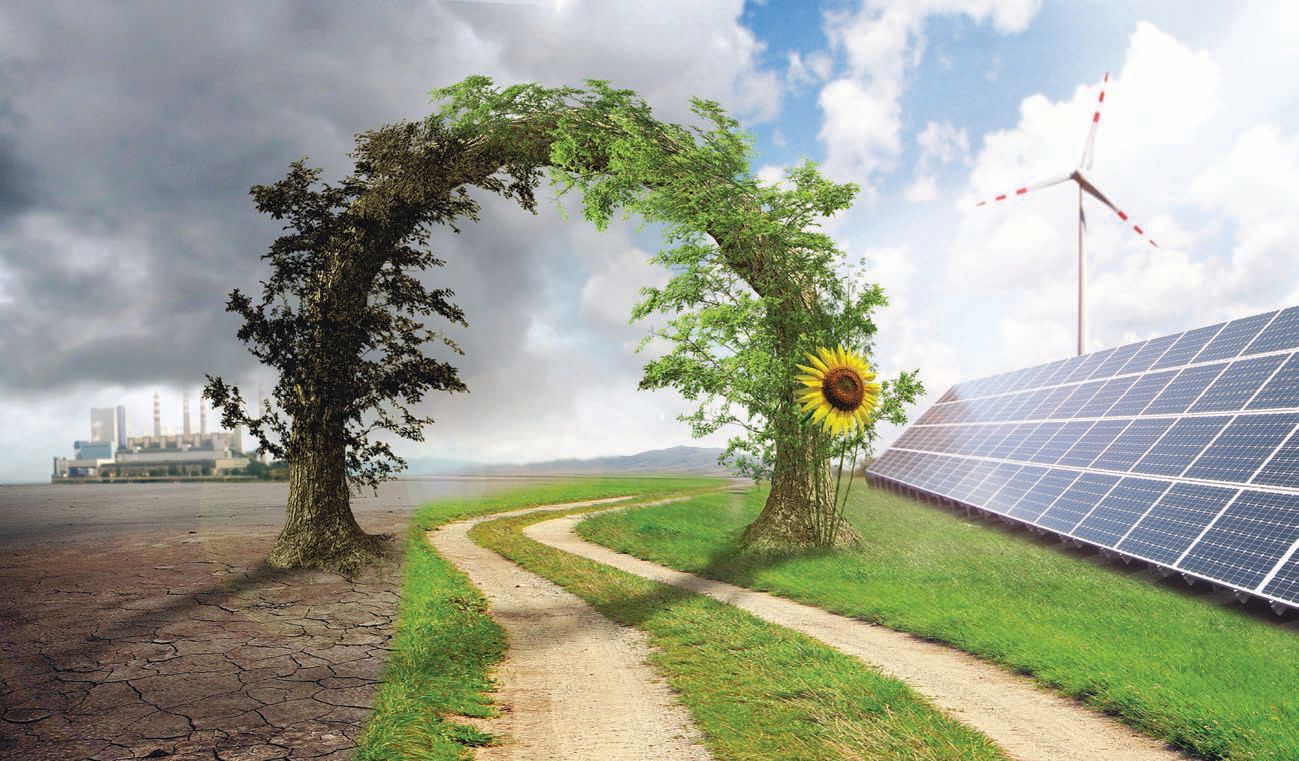
The Renewable Energy Future: Powering a Sustainable Tomorrow
Estimated reading time: 7 minutes
Key Takeaways
- Renewable energy sources, such as solar, wind, and hydroelectric, are vital for a sustainable future.
- The renewable energy sector accounted for almost 30% of global electricity generation in 2020.
- Innovations in solar and wind technologies are driving cost reductions.
- About millions of jobs are predicted to be created in this industry by 2030.
- Policy initiatives and public awareness are crucial for accelerating the shift to renewable energy.
Table of contents
- What is Renewable Energy?
- The Current State of Renewable Energy
- Innovations Driving Renewable Energy
- Environmental Benefits of Renewable Energy
- Economic Impacts and Job Creation
- The Role of Policy in Shaping the Renewable Energy Future
- Public Awareness and Engagement
- The Renewable Energy Future: A Collaborative Effort
- FAQ
What is Renewable Energy?
Renewable energy refers to energy resources that are naturally replenished and sustainable over time. These include solar, wind, hydroelectric, geothermal, and biomass energies. Unlike fossil fuels that can deplete over time and contribute to environmental degradation, renewable energy offers a cleaner, sustainable solution to meet our energy needs. As we face climate change and the need to reduce greenhouse gas emissions, the transition to renewable energy has become not just a necessity but an exciting opportunity to create a more sustainable future.
The Current State of Renewable Energy
The renewable energy sector has seen remarkable growth in the past decade. According to the International Renewable Energy Agency (IRENA), renewable energy sources accounted for almost 30% of the global electricity generation in 2020. This figure continues to rise as technological advancements make renewable energy more accessible and affordable. Solar and wind energy, in particular, have become frontrunners in the renewable sector, with costs declining significantly due to improvements in technology and manufacturing processes.
Innovations Driving Renewable Energy
Two critical factors driving the renewable energy future are technological innovations and supportive policies. Governments worldwide are beginning to recognize the importance of transitioning to cleaner energy sources by creating incentives and frameworks to promote renewable technologies.
- Solar Energy Advancements: Solar photovoltaics (PV) have become a household term in renewable energy discussions. The development of more efficient solar panels—such as bifacial solar panels—has increased energy capture from sunlight, thereby improving overall efficiency. Innovations in solar storage solutions also allow for energy generated during sunny days to be stored for use when sunlight is less available (source: National Renewable Energy Laboratory).
- Wind Energy Enhancements: Wind turbine technology has made significant strides, with larger turbines capable of generating more electricity than earlier models. Additionally, advancements in offshore wind farms have opened up vast new areas for energy production, making wind one of the most promising renewable energy resources (source: U.S. Department of Energy). You can learn more about innovative strategies in energy generation in our post on How to Create Simple Websites That Make Money: A Step-by-Step Guide.
- Energy Storage Innovations: One of the most critical aspects of the renewable energy future lies in energy storage. It addresses the intermittency of solar and wind energy, ensuring a steady energy supply. Innovations such as lithium-ion batteries, and even emerging technologies like solid-state batteries, promise to make renewable energy more reliable and efficient (source: BloombergNEF).
- Smart Grids and Demand Response: The integration of smart technologies provides consumers and utility companies with better data on energy consumption. Smart grids allow for more efficient distribution of renewable energy and enable demand response programs where consumers can modify their energy use based on availability and pricing (source: U.S. Department of Energy Smart Grid). You can read more about these technologies in our blog post about Top Platforms to Make Money Online.
Environmental Benefits of Renewable Energy
As the renewable energy future unfolds, the environmental benefits cannot be overstated. One of the most compelling reasons to transition to renewable sources is the significant reduction in carbon emissions. A study published by Nature Communications reported that increasing the share of renewables in our energy mix can lead to a substantial reduction in global carbon emissions by 2050.
Moreover, renewable energy sources contribute to improved air quality, as they emit little to no pollutants compared to fossil fuels. According to the World Health Organization, air pollution is responsible for around 7 million premature deaths each year, highlighting the urgent need for cleaner energy solutions.
Economic Impacts and Job Creation
The shift toward renewable energy not only enhances environmental sustainability but also brings substantial economic benefits. The renewable energy sector has become a significant job creator, with the International Labour Organization predicting millions of new jobs in renewable energy by 2030. These jobs span various roles, including manufacturing, installation, and maintenance of renewable energy systems.
The transition to renewable energy also presents an opportunity for economic growth in local communities. For instance, regions that invest in solar farms, wind parks, or geothermal plants often see boosts in local economies through increased tax revenues and infrastructure development. The Rural Energy for America Program (REAP) in the U.S. is an excellent example, aiding rural communities in adopting renewable energy solutions.
The Role of Policy in Shaping the Renewable Energy Future
Policies play a pivotal role in establishing a conducive environment for renewable energy. Government actions can significantly influence the speed and scale of the transition to clean energy. Various global agreements, such as the Paris Agreement, aim to unite countries in efforts to curb climate change and elevate renewable energy usage.
Incentives such as tax credits, subsidies, and grants for renewable energy projects have proven effective in catalyzing investment. For example, the U.S. has implemented a federal Investment Tax Credit (ITC) that allows residential and commercial energy consumers to deduct a percentage of the cost of solar systems from their federal taxes (source: U.S. Department of Energy). You might find more tips on leveraging online income strategies in our post about Passive Income Websites: How to Generate Revenue and Achieve Financial Freedom.
Public Awareness and Engagement
As renewable energy technologies evolve, public awareness and engagement remain crucial. Communities have the power to demand cleaner energy solutions, pushing local governments and utilities to prioritize renewables. Campaigns educating citizens on the benefits of renewable energy not only garner support for clean energy initiatives but also foster a culture of sustainability.
Social media and online platforms are effective tools for spreading information and rallying communities. More companies and organizations are actively participating in sustainability campaigns, showcasing their commitment to renewable energy and its positive effects on the environment and society. Explore how you can participate and earn through these activities in our article on 10 Top Side Hustle Websites to Boost Your Income.
The Renewable Energy Future: A Collaborative Effort
As we look ahead to what the renewable energy future holds, collaboration is key. Governments, businesses, and communities must work together to create sustainable solutions that serve as a foundation for future generations. Research and innovation, combined with engaged citizens, have the power to pave the way for a cleaner and brighter future.
In conclusion, the renewable energy future is not just a possibility—it is increasingly becoming a reality, driven by innovation, economic incentives, and environmental necessity. As we continue to evolve our energy landscape, the benefits of harnessing renewable energy are clear: cleaner air, sustainable jobs, and a healthier planet. With determination and collective action, we can ensure that renewable energy remains at the forefront of our global agenda. Let us embrace this exciting journey towards a sustainable tomorrow!
FAQ
What are the main types of renewable energy?
The main types of renewable energy include solar, wind, hydroelectric, geothermal, and biomass.
How does renewable energy benefit the environment?
Renewable energy helps reduce carbon emissions and improve air quality by emitting little to no pollutants.
What role do policies play in renewable energy?
Policies can create incentives for investment in renewable energy and support the transition from fossil fuels to sustainable sources.
Can renewable energy create jobs?
Yes, the renewable energy sector is projected to create millions of jobs in various fields, including manufacturing, installation, and maintenance.

Post Comment