Future of Work Trends: How AI is Transforming Workspaces and Shaping the Future of Employment
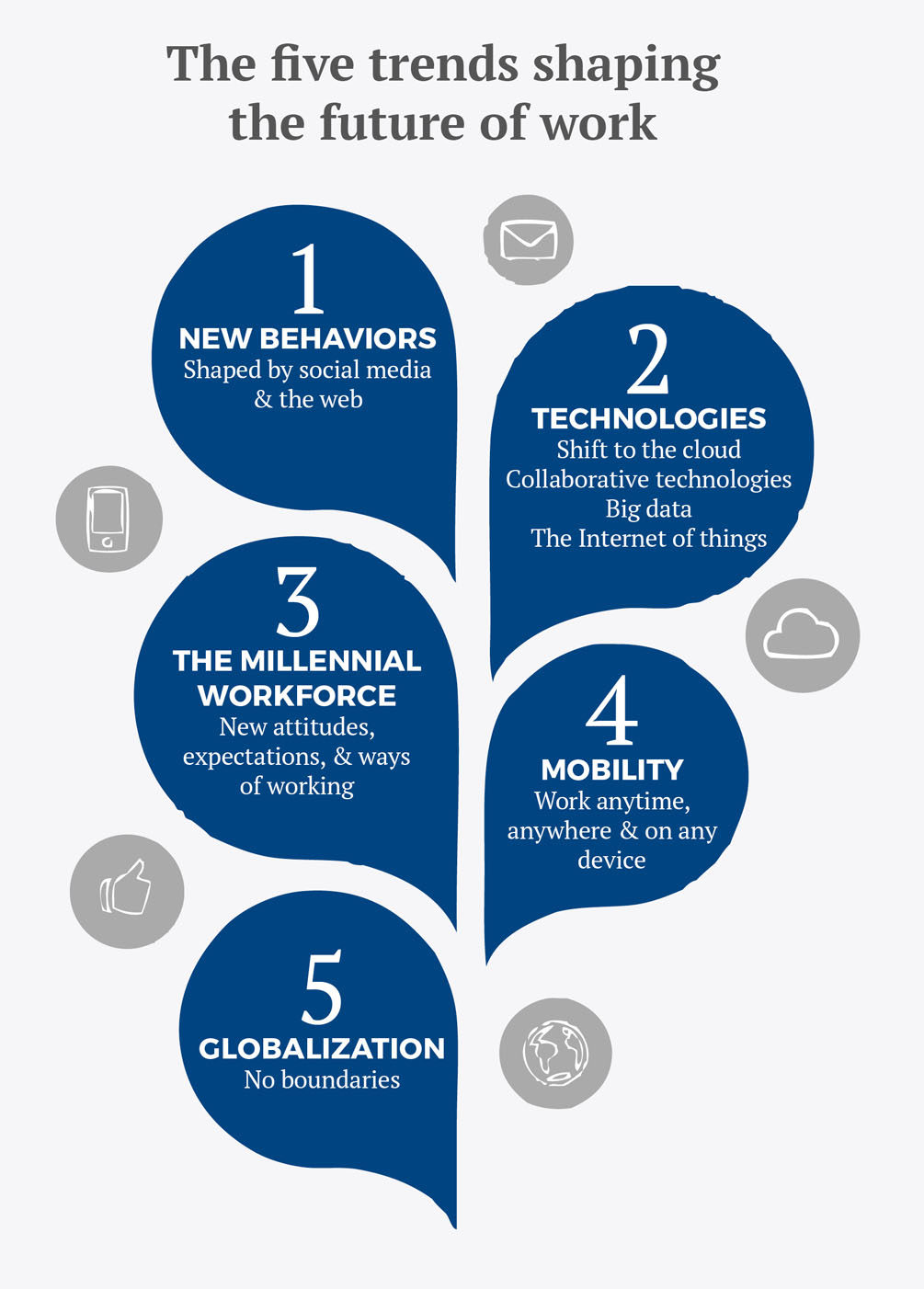
Future of Work Trends: How AI is Redefining Our Workspaces
Estimated reading time: 7 minutes
Key Takeaways
- AI is Revolutionizing Work by automating tasks and enhancing productivity.
- **Flexibility** is becoming the norm with the rise of hybrid work models.
- Continuous **Upskilling and Reskilling** is essential for workforce adaptability.
- Prioritizing **Employee Well-Being** leads to increased engagement and productivity.
- **Collaboration Tools** have become vital for remote teams.
- **Emotional Intelligence** in leadership is crucial for team success.
- Fostering **Inclusivity and Diversity** drives innovation.
Table of contents
- The New Workplace: An Overview
- The Role of AI in the Future of Work
- Upskilling and Reskilling Workers
- The Importance of Employee Well-Being
- The Rise of Collaboration Tools
- Empathy and Emotional Intelligence in Leadership
- Inclusivity and Diversity in the Workplace
- Conclusion: Embracing the Future of Work
- Additional References
The New Workplace: An Overview
The traditional work environment is rapidly transforming. Gone are the days of the monotonous 9-to-5 office routine. Instead, we now see a *more flexible approach*, driven by technology and the need for adaptability. According to a report by Gartner, 74% of CFOs plan to shift some employees to remote work permanently, even after the pandemic subsides. This shift signifies a broader cultural change in how we perceive work and productivity.
The rise of hybrid work models is one of the most significant trends. Companies are combining remote work with in-office activities, giving employees the freedom to choose how and where they work—a profound shift from the traditional office-centric model. This flexibility enhances job satisfaction, resulting in a happier and more productive workforce.
The Role of AI in the Future of Work
AI is perhaps the most transformative force shaping the future of work. From automation of mundane tasks to enhancing decision-making processes, *AI is changing the way we work* in unprecedented ways. A recent study conducted by McKinsey found that up to 45% of work activities could be automated using current technology.
This means that many routine jobs may become obsolete, but it also opens up new roles that require advanced skills. For instance, AI systems can handle repetitive tasks with remarkable efficiency, allowing human employees to focus on more complex and creative tasks that add value to the business. Moreover, the integration of AI in the recruitment process is already changing how companies hire talent.
Upskilling and Reskilling Workers
As AI evolves, so must the skills of the workforce. The future of work trends indicate a pressing need for continuous learning and development. According to a report by the World Economic Forum, around 85 million jobs may be displaced by 2025 due to the integration of AI and the shift towards automation. However, this report also states that 97 million new roles could emerge, particularly in fields that require creativity, problem-solving, and social intelligence.
This presents a unique challenge and opportunity for both employees and organizations. To stay competitive, companies need to invest in the **upskilling** and **reskilling** of their workforce.
The Importance of Employee Well-Being
In this new era of work, employee well-being is gaining paramount importance. The shift to remote work, while convenient, can lead to feelings of isolation and burnout. According to a survey by Gallup, employees who work remotely can struggle with engagement and may feel disconnected from their teams. Therefore, companies are investing more into mental health resources, engagement initiatives, and well-being programs to ensure employees are supported.
The Rise of Collaboration Tools
With the increase in remote and hybrid work models, collaboration tools have become vital. Platforms like Slack, Microsoft Teams, and Zoom have surged in popularity, enabling teams to communicate seamlessly from anywhere in the world. These tools not only facilitate real-time collaboration but also help to maintain a sense of community among employees.
Empathy and Emotional Intelligence in Leadership
As work becomes increasingly defined by technology, the need for empathy and emotional intelligence (EI) in leadership is more pressing than ever. Leaders must balance the demands of technology with the needs of their teams, ensuring that they provide a supportive environment in which employees can thrive.
A study from the Centre for Creative Leadership showed that empathy improves collaboration and drives performance. Leaders who demonstrate emotional intelligence can better understand their employees’ challenges and motivations, leading to increased engagement and productivity.
Inclusivity and Diversity in the Workplace
The future of work trends also emphasize the importance of inclusivity and diversity. As the workforce becomes increasingly global and diverse, fostering an inclusive work environment is crucial. Companies are recognizing that diversity drives innovation and better decision-making outcomes.
Organizations are implementing strategies to attract diverse talent and create a culture that values different perspectives. For more insight, consider reading McKinsey’s report.
Conclusion: Embracing the Future of Work
The future of work is filled with exciting possibilities. With AI as a key player, businesses must adapt to these evolving demands and embrace the trends reshaping our workplace environments. By focusing on employee well-being, reskilling initiatives, adopting collaboration tools, and fostering inclusive cultures, organizations can not only survive but thrive in this new landscape.
As we look ahead, let us embrace these changes and collaborate, innovate, and build a future where technology and humanity coexist harmoniously in our workspaces. The future of work is not just about technology—it’s about people and how we adapt to create a better work life for everyone.
Additional References
- For insights on creating straightforward websites that monetize effectively, consider reviewing How to Create Simple Websites That Make Money: A Step-by-Step Guide.
- Explore top platforms that facilitate making money online effectively in Top Platforms to Make Money Online: A Comprehensive Guide.
- Discover effective strategies to monetize your website with ads in How to Monetize Your Website with Ads: Strategies for Effective Revenue Generation.
- Learn about passive income opportunities with Passive Income Websites: How to Generate Revenue and Achieve Financial Freedom.
- Gain knowledge on trusted online money-making sites by checking Top Trusted Earning Websites Without Investment: A Comprehensive Guide to Making Money Online.

Post Comment