Who Owns OpenAI? Understanding the Ownership Structure, Mission, and Implications for AI Development
Who Owns OpenAI?
Estimated reading time: 7 minutes
Key Takeaways
- OpenAI started as a nonprofit to ensure AI benefits humanity.
- Transitioned to a “capped-profit” model, allowing for investment while capping returns.
- Major financial backing from Microsoft with investments exceeding $3 billion.
- Leadership under Sam Altman, with a strong focus on ethical AI development.
- Ownership structure invites collaborations but raises questions about accountability and bias.
Table of contents
In recent years, artificial intelligence has become a powerful force in technology, bringing about revolutionary changes in how we interact with machines. One name that frequently comes up in conversations about AI is OpenAI. But who actually owns this leading artificial intelligence company? In today’s blog post, we will delve into the ownership structure of OpenAI, its mission, investors, and the implications of its ownership for the future of artificial intelligence.
What is OpenAI?
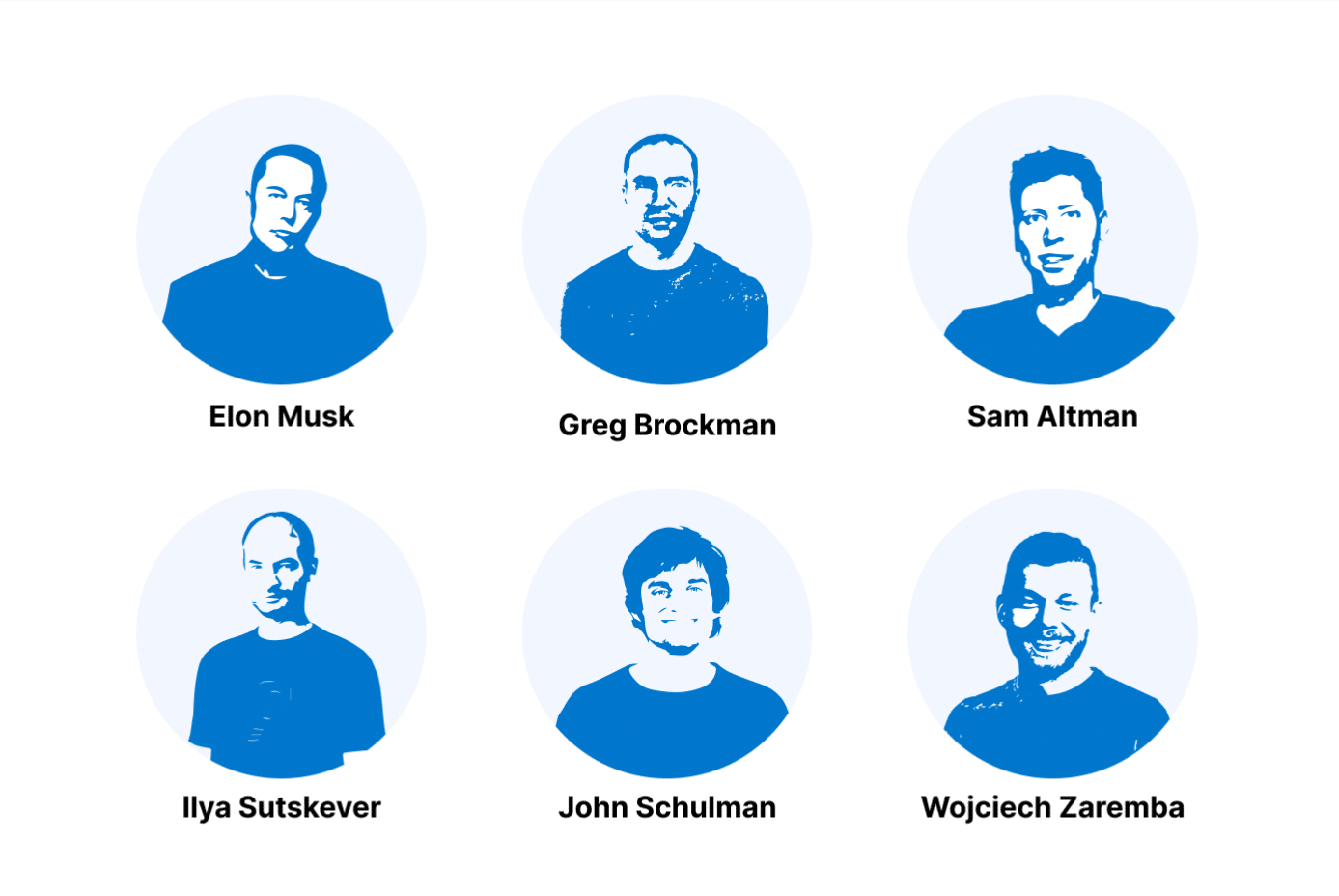
OpenAI was founded in December 2015 with the mission to ensure that artificial general intelligence (AGI) benefits all of humanity. Unlike many technology companies, OpenAI was established as a nonprofit organization to prioritize safety and transparency in AI development. The organization was co-founded by a group of notable figures, including Elon Musk, Sam Altman, Greg Brockman, Ilya Sutskever, Wojciech Zaremba, and John Schulman.
At its core, OpenAI focuses on conducting research in AI and developing technologies that can be integrated into everyday tools, making them safer, more efficient, and conducive to enhancing human capabilities. OpenAI has developed influential projects such as the GPT (Generative Pre-trained Transformer) series, which are powerful models capable of processing and generating human-like text.
The Ownership Structure of OpenAI
Limited Partnership
In 2019, the structure of OpenAI changed significantly when it transitioned from a nonprofit organization to a “capped-profit” model known as OpenAI LP, which operates under OpenAI Inc. This hybrid structure allows OpenAI to attract necessary funding while still maintaining its commitment to safe practices in AI. Under this model, investors can earn returns on their investments, but these returns are capped at 100 times their investment, after which any additional profit is directed towards OpenAI’s mission.
Investors and Funding
OpenAI LP has raised considerable funds from various investors, which has paved the way for its advanced research and technology development. One of the most significant contributions came from Microsoft, which invested $1 billion in OpenAI in 2019. This partnership not only solidified Microsoft’s commitment to AI but also allowed OpenAI to access Microsoft’s cloud computing platform, Azure, enhancing its computational power and capacity for processing large amounts of data.
In 2021, Microsoft made another investment, reportedly worth $2 billion, further deepening their partnership with OpenAI. This financial backing gives Microsoft a unique position, as they are among the primary contributors to the AI advancements being developed at OpenAI. In exchange for these investments, Microsoft gains exclusive access to some of OpenAI’s technology, which can be integrated into their products. It is important to highlight that while Microsoft provides financial support, OpenAI retains control over its research and governance.
Current Leadership
OpenAI is presently led by Sam Altman, one of the co-founders, who serves as the CEO. Altman has been a significant force driving OpenAI’s mission forward, ensuring that the company remains at the forefront of AI research while adhering to ethical considerations. Key figures like Greg Brockman and Ilya Sutskever also play pivotal roles in the organization, contributing their expertise to guide its direction and objectives.
The leadership team actively collaborates on strategizing the implementation of their AI models in ways that align with their mission, combining innovation with social responsibility.
Implications of OpenAI’s Ownership
The unique ownership structure of OpenAI has broader implications for the artificial intelligence landscape. Here are several ways its ownership affects the industry’s direction:
Enhanced Collaboration
OpenAI’s collaboration with industry giants like Microsoft showcases the importance of interoperability among corporations in advancing AI technology. As organizations pool resources together, they can accelerate innovation and inspire more creativity in developing AI tools that serve various applications across different sectors, from healthcare to education.
Focus on Safety and Ethics
The capped-profit model creates a framework for responsible AI development. Instead of prioritizing profits alone, OpenAI must also consider the ethical dimensions of their work. This could lead to breakthroughs that are not only technically advanced but also safer for broader audiences. OpenAI is committed to transparently sharing information and engaging with the public on AI safety matters, which is crucial given the rapidly advancing nature of technology.
Potential for Diverse Applications
With significant investments, OpenAI is empowered to create technologies that have widespread implications. Their models are already being integrated into applications ranging from chatbots to file assistants, making everyday tasks easier. The diverse applications mean that the reaches of AI are expansive, potentially solving complex societal problems if implemented with care.
Challenges and Criticisms
However, the growing power of organizations like OpenAI also raises questions of accountability and transparency. As AI becomes more integrated into our daily lives, there is a responsibility for these organizations to ensure that their technologies do not perpetuate bias or create adverse socioeconomic impacts. Advocates for ethical technology will likely ensure that these issues are thoroughly scrutinized, keeping companies accountable as they grow larger.
Additionally, there are discussions surrounding the monopoly that large corporations may create within the AI sector. Critics worry that the power held by a few institutions like OpenAI and Microsoft can stifle competition, limiting innovation possibilities from smaller entities or independent developers who might have groundbreaking ideas. Balancing collaboration with fairness is essential to fostering a healthy ecosystem for advancement.
The Future of OpenAI
As OpenAI continues to evolve, its leadership and ownership remain critical factors that influence its trajectory. The convergence of profit motives with responsible development practices positions OpenAI as a pivotal player in the AI realm. With technologies like GPT-3, released to the public, and evolving capabilities anticipated in the upcoming years, we can expect OpenAI to strive for a blend of innovation and ethical responsibility.
The possibilities for artificial intelligence are immense, and with organizations dedicated to the responsible development of this technology, we have the opportunity to create tools that benefit society. Keeping an eye on OpenAI’s progress, its partnerships, and their outcomes will be essential for anyone interested in the future of technology and humanity.
As we ponder the question of who owns OpenAI, it becomes apparent that it is not just a company owned by a handful of investors but a collective effort to navigate the complex and ever-changing landscape of artificial intelligence. From its current leadership to its funding structure and overarching mission, OpenAI remains a significant beacon of hope in developing safe and beneficial AI technologies for all.
In conclusion, while it might be clear who holds the reins at OpenAI today, it is equally vital to remember that the ownership of ideas, innovation, and technology ultimately lies in their impact on humanity. The future looks bright for OpenAI, and we eagerly await the next chapter of its journey in the ever-expanding universe of artificial intelligence.
Frequently Asked Questions
Who founded OpenAI?
OpenAI was co-founded by notable figures like Elon Musk, Sam Altman, Greg Brockman, among others, to prioritize the safe development of AI technologies.
What is the capped-profit model?
The capped-profit model allows OpenAI LP to attract funding while capping investors’ returns at 100 times their investment, directing any further profits towards its mission of safe AI development.
What implications does OpenAI’s ownership have for the AI industry?
OpenAI’s ownership structure encourages collaboration, emphasizes ethical AI development, and permits diverse applications of AI technology, but it also raises concerns regarding accountability and potential monopolistic practices.

Post Comment