AI Meta Layoffs: Understanding the Impact on Artificial Intelligence and the Tech Industry
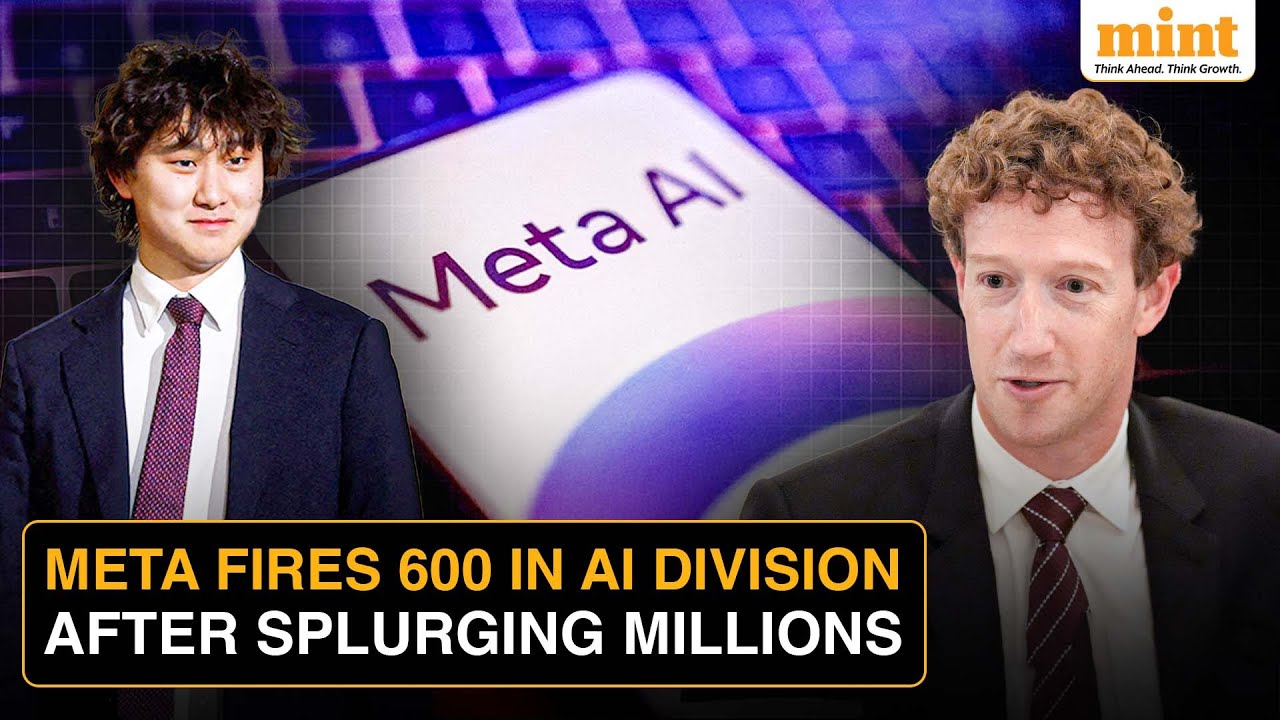
AI Meta Layoffs: What You Need to Know
Estimated reading time: 6 minutes
Key Takeaways
- Meta has announced layoffs affecting about 10,000 employees.
- This decision is part of a restructuring effort aimed at streamlining operations.
- The layoffs raise concerns regarding AI innovation and project timelines at Meta.
- Employees in AI are now facing a challenging job market, necessitating skill diversification.
- Industry shifts may lead to innovation and collaboration among AI professionals moving to startups.
Table of contents
In a surprising turn of events, the tech industry is buzzing with news of the latest layoffs at Meta Platforms, Inc. (formerly known as Facebook). The AI Meta layoffs have sparked intense discussions about the future of artificial intelligence, job security, and the landscape of tech companies. Are these layoffs a signal of bigger changes on the horizon? How will this impact the industry’s rapid growth? Let’s dig deeper into the details.
The Layoff News
Recently, Meta announced its decision to lay off around 10,000 employees as part of what the company refers to as “a restructuring effort” to streamline operations and focus on what they consider “priority areas.” But what does this mean for the future of artificial intelligence at Meta and in the broader tech industry?
The layoffs primarily affect departments geared towards artificial intelligence development, including teams working on research and product development. This comes following a previous round of layoffs that saw 11,000 jobs cut last November. The company’s leadership is making these tough decisions in order to manage costs amid a challenging economic environment and increasing competition in AI technology.
The Impact on AI Development
Artificial intelligence has been a major area of focus for Meta, with the company investing billions into developing AI software and products. However, the recent layoffs have raised concerns about how this will influence AI innovation at Meta. The decision to downsize its AI teams could slow down project timelines and hamper developments that many users and businesses rely on.
At the heart of Meta’s AI initiatives is a mission to improve personalization across its various platforms, such as Instagram, Facebook, and WhatsApp. AI is crucial in understanding user behavior, delivering tailored content, and combating issues like misinformation. Thus, the reduction in workforce could potentially hinder these objectives and lead to a decrease in the advanced features users have come to enjoy. For more insights on generating revenue through advanced features, check this guide on how to monetize your website.
Why Now? The Strategic Shift
So, why is Meta making these bold moves at this particular moment? The tech giant asserts that it is realigning its strategy to focus more on efficiency and profitability. With the economy facing challenges, many companies, including tech behemoths, are re-evaluating their spending while trying to maintain their foothold in an increasingly competitive marketplace.
As reported by reputable sources, companies in the technology sector are under pressure to deliver continuous growth in profitability, even in adverse economic conditions (source). As a result, firms like Meta are examining their business structures and laying off workers as a way to cut costs while prioritizing key growth areas—particularly in artificial intelligence and machine learning.
This trend is not unique to Meta; other tech companies are also rethinking their operations. For instance, Amazon has cut thousands of jobs in similar efforts to sustain profitability amidst rising costs. It’s indicative of a bigger shift in the industry, where the pressure to innovate still prevails, yet the means to achieve that may be constrained by workforce reductions.
What It Means for Employees and the Job Market
The AI Meta layoffs come with significant consequences for employees and the job market. Many individuals who were part of the AI research and development teams are now searching for new opportunities in a crowded job market. While some may find positions with competitors, others may struggle to land roles in a landscape that is rapidly shifting due to technological advancements.
Job seekers in the AI field should consider diversifying their skills to meet the evolving demands of the industry. For instance, artificial intelligence specialists should enhance their knowledge in machine learning frameworks, data analysis, and programming languages such as Python, which are crucial in this field. There are also numerous online earning websites for students without investment that could potentially help those affected diversify their income sources.
Furthermore, as companies like Meta tighten their budgets, it may become common for them to seek versatile employees who can contribute across multiple areas. This necessitates innovation in training programs, allowing workers not only to stay competitive but also to pivot in a dynamic work environment.
Future of AI Innovation Post-Layoffs
Despite the layoffs, the future of AI at Meta could remain bright. While the staff reductions might seem alarming, they could pave the way for Meta to make swift and decisive moves in crucial technology areas without being hindered by overstaffing or bureaucracy. The company could focus on creating leaner, more efficient teams that deliver impactful results.
Moreover, the recent layoffs may encourage remaining employees to rise to the occasion, embracing their roles in maximizing their contributions to AI projects. The company’s commitment to investing in its AI technology remains steadfast. Meta has laid out ambitious plans to expand its AI capabilities, including those pertaining to improved user experiences and smarter content moderation tools.
Furthermore, industry experts suggest that the consolidation could lead to increased collaboration within the AI community as laid-off employees migrate to other startups or tech companies—creating a plethora of opportunities for disruptive innovation. As the talent pool expands, new partnerships may emerge, fostering a collaborative environment that may ultimately benefit the entire tech industry.
Navigating the Changing Landscape
As Meta and other tech companies navigate their restructuring efforts, the broader AI marketplace could witness shifts ignited by innovation rather than stagnation. With the industry in flux, this could lead to a fresh wave of startups focusing on specific niches of AI, such as healthcare, finance, and environmental sustainability.
Investors and venture capital firms will also be on the lookout for opportunities, pouring money into burgeoning AI startups that showcase promise in solving critical problems. When established companies struggle, it opens up doors for new players to enter and disrupt the market. For a comprehensive overview of the platforms that might help in this journey, consider this guide to creating free websites and earning money.
The AI Meta layoffs highlight the critical importance of adaptability and resilience in the tech sector. With continuous advancements in technology, the only constant is change. Companies that can pivot effectively and find creative ways to innovate will emerge stronger, paving the way for exciting developments in artificial intelligence.
Conclusion: The Bigger Picture
The recent AI Meta layoffs serve as a microcosm of the challenges facing the entire tech industry today. As companies look to streamline operations amidst economic pressures, the emphasis on efficiency could lead to significant shifts in talent distribution, investment focus, and innovation pathways.
However, while layoffs often signify hardship, they can also be a catalyst for growth and innovation. The future of AI remains promising, with Meta and its industry counterparts well-positioned to harness the potential of artificial intelligence to transform the way we interact with technology.
As the dust settles on the latest news of layoffs, one thing is clear: change is inevitable. And in a space as dynamic as artificial intelligence, adaptability will continue to be the name of the game. Through collaboration, innovation, and a relentless pursuit of excellence, the industry will likely overcome these challenges and emerge stronger than ever before.
Frequently Asked Questions
Q: What triggered the recent layoffs at Meta?
A: Meta’s layoffs were part of a restructuring effort aimed at streamlining operations and managing costs amid competition and economic challenges.
Q: How will the layoffs affect AI innovation at Meta?
A: The layoffs may slow down AI project timelines and hinder developments crucial for user engagement, but they may also allow for more focused and efficient teams.
Q: What should employees in AI do following the layoffs?
A: Employees should consider diversifying their skills in areas like machine learning and programming to adapt to the evolving job market.
Q: What is the long-term outlook for AI in the tech industry?
A: Despite current challenges, there is potential for growth and innovation as new startups and collaborations emerge in response to the changing landscape.

Post Comment